
Skip to product information
1 of 35

COCOBOWLCO Coconut Bowl Set with Wooden Spoons (Set of 4)

COCOBOWLCO Coconut Bowl Set with Wooden Spoons (Set of 4)

Real Coconut Shells, Finished With Nothing Synthetic

These bowls are about as close to the source as tableware gets.

Each one is a real coconut shell, upcycled from what would otherwise be discarded, hand-cleaned, shaped, and finished, and the set comes with matching wooden spoons. The reason they fit a non-toxic table is the finish, or rather the lack of a synthetic one: COCOBOWLCO describes its bowls as all-natural with zero synthetic materials, sealed and polished with natural oil rather than a plastic lacquer. So the surface your food touches is coconut shell and natural oil, which is a genuinely simple, plastic-free material story in a category where many bowls are coated in unnamed synthetic finishes.

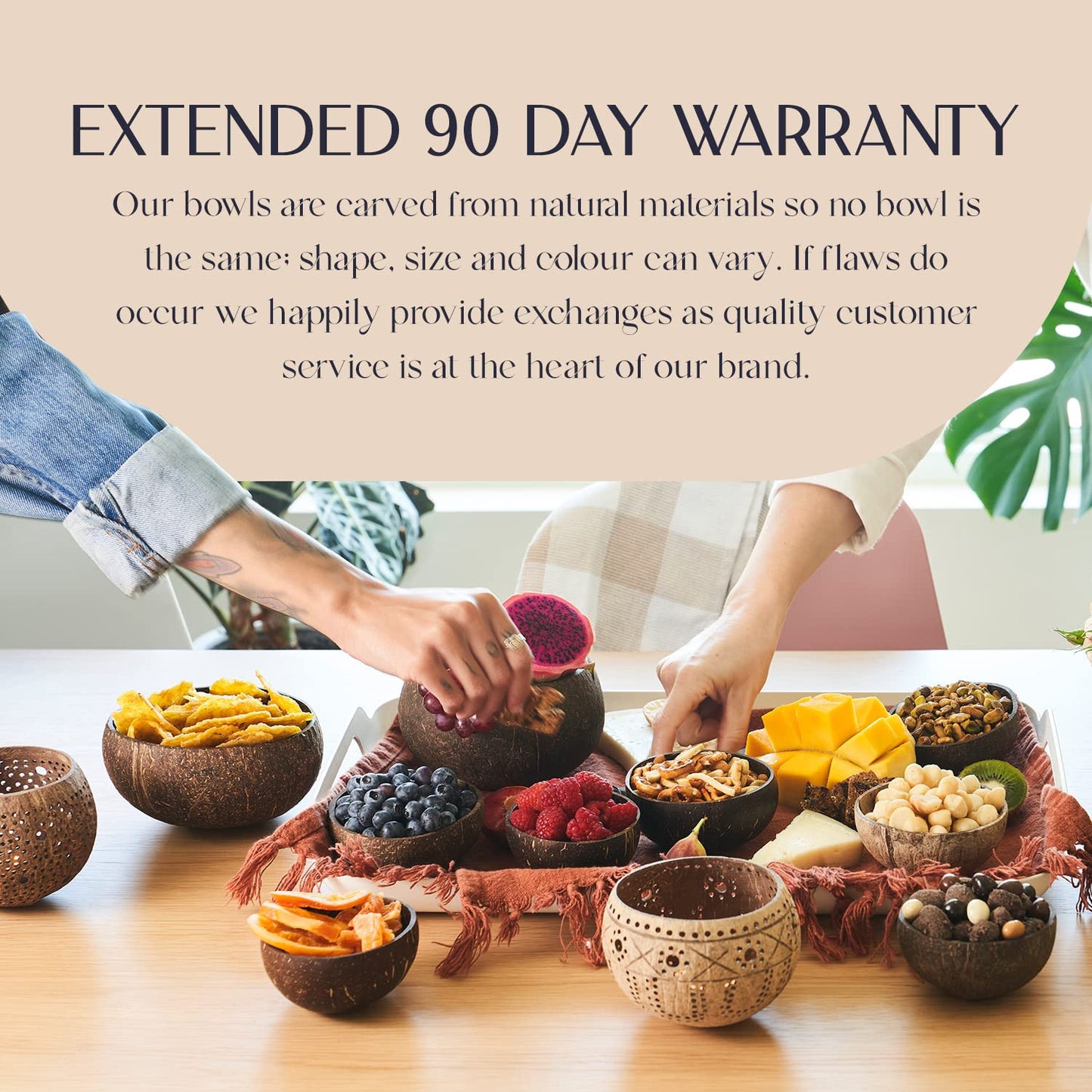
They are made for the kind of food they are famous for, smoothie and acai bowls, yogurt and granola, Buddha bowls, salads, snacks, and nice cream, served cold or at room temperature. Each shell is a little different in size and shape, which is part of the charm of a natural product, and the whole thing carries a warm, organic look that glass and ceramic cannot replicate.

The Honest Tradeoffs

The honest story here is about care, not safety.

1. Because the finish is natural oil rather than a permanent sealant, these are hand-wash only, with no dishwasher, microwave, or oven, and you should not soak them. 

2. To keep the surface from drying out, the maker recommends re-oiling them periodically, roughly every twenty to twenty-five washes, with a food-safe oil like coconut or flaxseed. 

3. They are best for cold and room-temperature foods rather than hot soups or liquids, which can dry or stress the shell over time. 

4. And as a real natural product, the shells are relatively thin and can crack or break if dropped or treated roughly, and no two are identical. 

5. None of this is a flaw, it is the honest nature of a natural coconut bowl, and the upkeep is the trade for a finish with nothing synthetic in it.

True Shift Score: 8.1 / 10

This is our own assessment, not a lab result or a certification.

It scores well because the material is genuinely natural and plastic-free, real upcycled coconut shell finished with natural oil rather than a synthetic lacquer, which is exactly the kind of honest, simple material we like to see. It sits in the upper-middle of our scale for practical rather than safety reasons: the natural-oil finish means hand-washing and periodic re-oiling, it is not suited to hot food or the dishwasher, and as a natural product the shells vary and can crack. For a natural, plastic-free bowl for cold and room-temperature foods, it is a lovely choice.

How We Evaluate Tableware and Serving

We look at a few things, and none is a lab score:

1. What the food-contact surface is actually made of, whether it is inert glass, stainless, or wood, or a ceramic whose glaze we can trust

2. For ceramic and porcelain, whether the glaze is free of lead and cadmium and whether that is independently certified or simply stated by the maker, a distinction we always make clear

3. And whether a piece is really the hard plastic resin melamine, which we steer away from. 

4. The real shift here is keeping your food on inert, lead-safe materials rather than melamine or uncertain glazes.

View full details

When Something Else Is the Better Fit

  • If you want an everyday bowl you can run through the dishwasher and microwave and fill with hot soup, a tested ceramic like the Mora medium bowls is the practical choice.
  • If you want a fully inert surface, glass is the most maintenance-free option.
  • These coconut bowls are the pick when you want a genuinely natural, plastic-free, beautiful vessel for cold bowls and snacks, and you do not mind the gentle upkeep.

Browse more in the Non-Toxic Tableware & Serving collection.

Related Reading and Collections

For the wider picture on PFAS and microplastics across the kitchen, read our non-toxic kitchen guide. To weigh other options, browse the Non-Toxic Tableware & Serving collection, or step back to the Microplastic-Free Kitchen hub for cookware, storage, and cooking tools. If you would like to work through your whole home step by step, our DIY Healthy Home Guidebooks are a practical place to start.

Common Questions About the Coconut Bowls

What are the coconut bowls coated with?

COCOBOWLCO describes its bowls as all-natural with no synthetic materials, sealed and polished with natural oil rather than a plastic or synthetic lacquer. That means the surface your food touches is coconut shell finished with food-safe oil, which is why the bowls need occasional re-oiling to stay sealed.

Are coconut bowls dishwasher and microwave safe?

No. Because the finish is natural oil rather than a permanent sealant, these are hand-wash only and should not go in the dishwasher, microwave, or oven, and should not be soaked. Washing gently and re-oiling periodically keeps them in good shape for years.

What foods are coconut bowls best for?

They are ideal for cold and room-temperature foods like smoothie and acai bowls, yogurt and granola, Buddha bowls, salads, and snacks. They are not made for hot soups or liquids, which can dry out or stress the natural shell over time.

About This Product

This item is fulfilled through Amazon, which handles pricing, availability, and shipping. The True Shift earns a commission on qualifying purchases, and that is what keeps this work independent and reader-supported rather than funded by the brands being reviewed.