Eccliy Reusable Cotton Mesh Grocery & Produce Bags (12-Pack)
Twelve Cotton Net Bags to Retire the Plastic Produce Roll
The flimsy plastic bag on the roll in the produce aisle is one of the easiest single-use plastics to replace, and this set makes it painless.
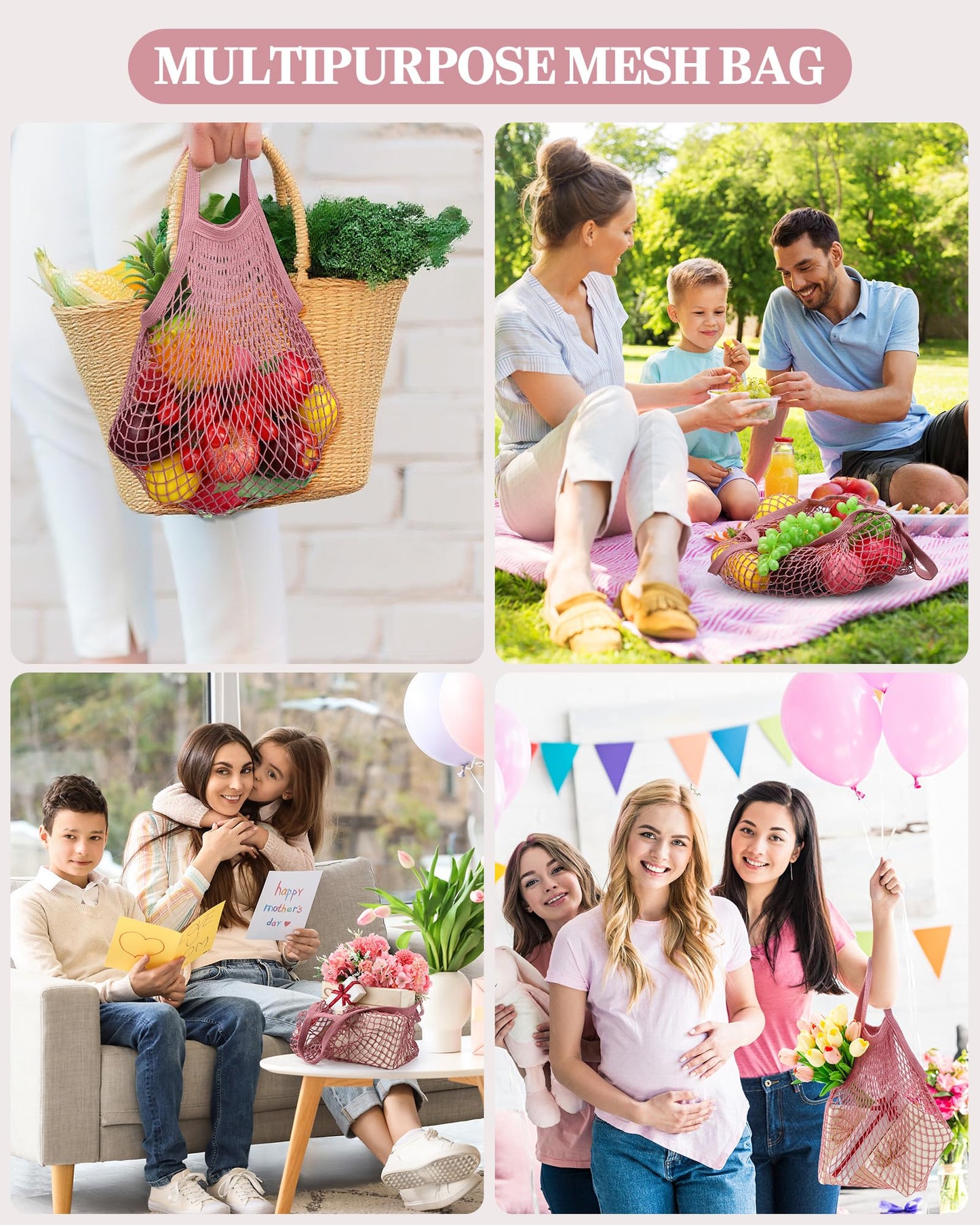
You get twelve cotton mesh net bags with carry handles, enough to keep some in every tote, car, and kitchen drawer, so you are never caught reaching for the plastic. Each one folds down to almost nothing, holds a surprising amount, the maker rates them to around forty pounds, and the open weave lets a cashier see and weigh what is inside without unpacking it. Fill them with apples, oranges, potatoes, onions, greens, or bulk-bin grains, and bring them home again and again.
For a microplastic-free kitchen, the material is the whole point:
These are cotton, a natural fiber, rather than the polyester or nylon mesh that many "reusable" produce bags are actually made of. Synthetic mesh sheds microplastics in the wash and against your food, while cotton simply does not. They double nicely as fridge storage too, the breathable weave helps greens and root vegetables last, and you can dampen a bag to keep herbs and lettuces crisp. When they get grubby, they go in the wash.
True Shift Score: 8.3 / 10
This is our own assessment, not a lab result or a certification.
It scores well as an affordable, generous 12-pack of natural cotton mesh bags that retire plastic produce bags, work for breathable fridge storage as well as shopping, and use a natural fiber rather than the synthetic mesh that sheds microplastics. It sits in the upper-middle of our scale for honest reasons: the cotton is not stated to be organic, and these are lightweight net bags suited to produce and lighter bulk rather than heavy grocery hauls. For plastic-free produce shopping and storage, it is a solid choice.
The Honest Tradeoffs
A couple of honest notes.
1. The listing describes these as cotton but does not state that the cotton is organic, so if certified-organic fiber is a priority for you, a GOTS-certified set is worth seeking out, though for the microplastic question specifically, what matters most is simply that these are natural cotton rather than synthetic mesh.
2. They are also a lightweight, open-net bag with handles rather than a structured tote, so they are made for produce and lighter bulk goods rather than your full, heavy grocery haul, for the big load, a sturdy canvas tote is the better carrier.
3. And like all light cotton, they will shrink a little on the first wash and wear gradually with heavy use.
4. None of this is a flaw, it is simply what a cotton net bag is.
How We Evaluate Wraps and Bags
We look at a few things, and none is a lab score:
1. Whether the material is a genuine natural fiber or wax rather than plastic or a synthetic that can shed microplastics
2. What single-use plastic it actually replaces
3. How durable and reusable it is over time
4. And how you care for it and what happens at the end of its life
The real shift here is trading disposable plastic wrap and bags for natural, reusable materials.

When Something Else Is the Better Fit
- For carrying a heavy grocery run or bottles, the structured Nook Theory canvas totes hold far more weight and stand up on their own.
- For wrapping individual items like cheese or a cut melon, the Bee's Wrap roll is the better tool.
- These mesh bags are the pick for plastic-free produce shopping and breathable fridge storage.
Browse more in the microplastic-free food storage collection.
Related Reading and Collections
For keeping fruits and vegetables fresh without plastic, see our produce storage guide, and for the wider picture on PFAS and microplastics across the kitchen, read our non-toxic kitchen guide. To weigh other options, browse the Microplastic-Free Food Storage collection, or step back to the Microplastic-Free Kitchen hub for cookware, cutting boards, and cooking tools. If you would like to work through your whole home step by step, our DIY Healthy Home Guidebooks are a practical place to start.
Common Questions About the Cotton Mesh Produce Bags
Are these produce bags cotton or synthetic?
They are cotton, a natural fiber, rather than the polyester or nylon mesh used in many reusable produce bags. That matters for a microplastic-free kitchen, because synthetic mesh can shed microplastics in the wash and against food, while natural cotton does not. The listing does not state that the cotton is organic.
Can I store produce in the fridge in these mesh bags?
Yes. The breathable open weave helps greens and root vegetables last, and dampening a bag before filling helps keep herbs and lettuces crisp. They work as both shopping bags and fridge storage, which is part of what makes a 12-pack so useful.
How much can the mesh bags hold?
The maker rates them to around forty pounds each, and the stretchy net holds a generous amount of produce or bulk goods. They are best for produce and lighter bulk items rather than a full heavy grocery haul, which a structured canvas tote handles better.
About This Product
This set is fulfilled through Amazon, which handles pricing, availability, and shipping. The True Shift earns a commission on qualifying purchases, and that is what keeps this work independent and reader-supported rather than funded by the brands being reviewed.
MAKE THE TRUE SHIFT TODAY
Check current price and availability on AmazonTake the Shift Further
The True Shift Non-Toxic Home Swaps
-
WATER & AIR PROTECTION
Water & Air Protection for a Healthier Home The water you drink...
-
MICROPLASTIC-FREE KITCHEN
The Heart of a Non-Toxic Home The kitchen is where a lot...
-
CHEMICAL-FREE BATH & BODY
Your skin is your body's largest organ, and it absorbs everything you...
-
NON-TOXIC BABY & KIDS' ESSENTIALS
Protect your most vulnerable family members. Vetted, non-toxic alternatives for feeding gear,...
-
HEALTHY HOME OFFICE
Maximize health and focus while you work. Solutions for reducing VOCs from...
-
NON-TOXIC SLEEP & LAUNDRY
Did you know your bed is often the place where chemicals mess...
Microplastic Guides
-
The Plastic-Free Diet 2026: Your 30-Day Bluepri...
The complete 30-day guide to eliminate microplastics, PFAS & forever chemicals from your home. Science-backed steps, product swaps, and real results.
The Plastic-Free Diet 2026: Your 30-Day Bluepri...
The complete 30-day guide to eliminate microplastics, PFAS & forever chemicals from your home. Science-backed steps, product swaps, and real results.
-
How to Create a Healthy Home: A Practical Guide...
Tired of living in a space that doesn’t support you? Learn how to create a healthy, non-toxic home that reflects your core values & goals in just 5 simple steps.
How to Create a Healthy Home: A Practical Guide...
Tired of living in a space that doesn’t support you? Learn how to create a healthy, non-toxic home that reflects your core values & goals in just 5 simple steps.
-
Beyond Plastic: The Modern Approach to Home Org...
Ditch cheap plastic bins and containers for beautiful, non-toxic alternatives. Reduce microplastics, save money, and create a calmer, healthier home with these modern strategies.
Beyond Plastic: The Modern Approach to Home Org...
Ditch cheap plastic bins and containers for beautiful, non-toxic alternatives. Reduce microplastics, save money, and create a calmer, healthier home with these modern strategies.
Sign up for the latest from The True Shift
Receive updates on Healthy Home hacks, lifestyle tips, and other sustainability news.
