
Skip to product information
1 of 6

Non-Toxic Walnut Edge-Grain Butcher Block, 18x25, USA – John Boos

Non-Toxic Walnut Edge-Grain Butcher Block, 18x25, USA – John Boos

A Big Walnut Block That Doubles as an Island Top

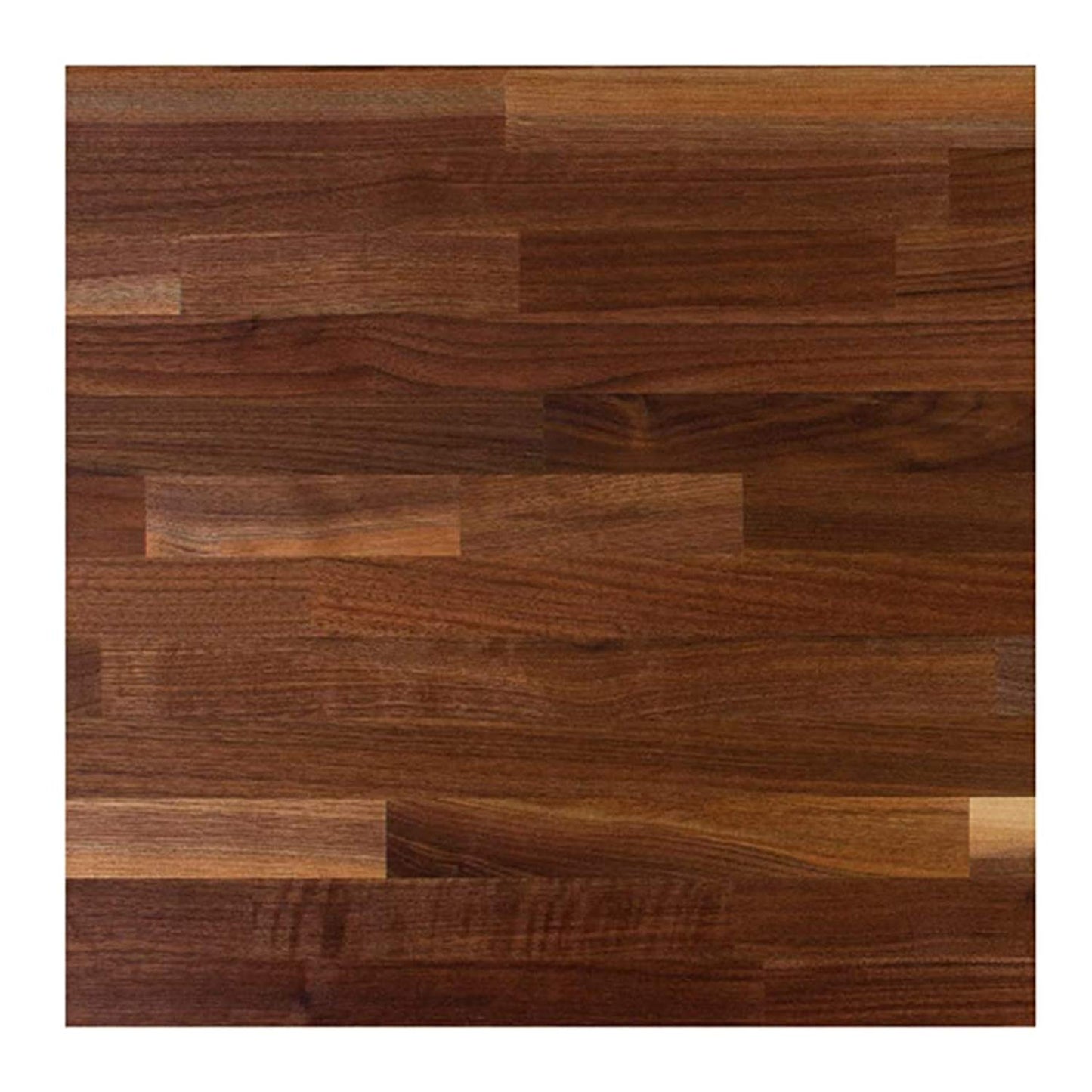
This is John Boos at a larger scale: a blended American black walnut butcher block measuring 18 by 25 inches and an inch and a half thick, substantial enough to work as a generous cutting surface or as a butcher-block island and counter top. It is edge-grain construction, where the long edges of the wood strips face up, and like everything from John Boos it is made in the USA by a company that has been building blocks since 1887. As solid walnut, it is inert and sheds no microplastics.

Walnut is one of the best woods for the job. It is naturally on the softer side, so it will not dull your knives, and its pore structure gives it good resistance to bacteria and moisture. Walnut is also less prone to shrinking than many woods, so it needs conditioning a little less often, and its deep brown color helps mask the marks of everyday use. The generous footprint is the real draw here: it gives you room to prep an entire meal, and if you want a board that can live permanently on the counter or serve as a small work surface, this size earns its place.

True Shift Score: 8.9 / 10

This is our own assessment, not a lab result or a certification.

It scores high because walnut is an excellent, knife-friendly, low-shrink hardwood, the board sheds no microplastics, it is solid made-in-USA construction from a brand with a long track record, and its size makes it unusually versatile as both a board and an island top. The small gap from a 9 is the edge-grain construction, which is slightly less knife-gentle than end grain, plus the one thing to watch on purchase, choosing the oil finish rather than the varnished version if you intend to cut on it.

The Honest Tradeoffs

1. The most important thing to get right is the finish. This board comes in an oil finish, which is the food-safe, cut-on-it surface, and that is the version to buy if you plan to chop on it. 

2. John Boos also sells a varnish, or "Varnique," finish meant for use as a countertop rather than a cutting surface, so if you intend to cut directly on the wood, confirm you are getting the oil-finished version and not the varnished one. 

3. Beyond that, this is a heavy board, hand wash only, and it wants periodic oiling with food-grade mineral oil or a beeswax board cream to stay healthy. 

4. And as edge grain, it is a touch less gentle on knives than an end-grain block, though still far kinder than any plastic, glass, or steel.

How We Evaluate Cutting Boards

We look at four things, and none of them is a lab score:

1. Whether the material sheds microplastics

2. How kind it is to your knives

3. Whether any glue or finish is food-safe

4. And how well it lasts with normal care

Cutting boards are a microplastics-and-glue question, not a PFAS one, despite what some guides imply.

View full details

When Something Else Is the Better Fit

  • If you want the gentlest surface for fine knives, an end-grain board like the WoodForChef walnut or Virginia Boys walnut is the step up.
  • If you want a smaller, easier-to-handle everyday board, this 18-by-25 block may be more than you need.
  • For a scrub-hard surface for raw meat, a stainless steel board is the most hygienic, accepting that metal dulls knives.

Related Reading and Collections

For the full science on why plastic boards shed and how the materials compare, read our guide to microplastics in cutting boards, and for the wider picture on PFAS and microplastics across the kitchen, see our non-toxic kitchen guide. To weigh other options, browse the full Sustainable Cutting Boards collection, or step back to the Microplastic-Free Kitchen hub for cookware, cooking tools, and food storage. If you would like to work through your whole home step by step, our DIY Healthy Home Guidebooks are a practical place to start.

Frequently Asked Questions

Is walnut good for a cutting board?

Yes. Walnut is a softer hardwood that is gentle on knives, resists bacteria and moisture well, and is less prone to shrinking than many woods, so it needs conditioning a little less often. Its dark color also helps hide everyday marks.

Can I cut directly on this board?

Yes, as long as you have the oil-finished version, which is the food-safe cutting surface. John Boos also makes a varnished finish intended for countertops, not for cutting on, so confirm you are buying the oil finish if you plan to chop on it.

How do I maintain it?

Hand wash with mild soap, never the dishwasher, and dry it promptly. Oil it with food-grade mineral oil or a beeswax board cream periodically. Walnut needs this a little less often than some woods, but regular conditioning keeps it from drying out.

About This Product

This board is fulfilled through Amazon, which handles pricing, availability, and shipping. The True Shift earns a commission on qualifying purchases, and that is what keeps this work independent and reader-supported rather than funded by the brands being reviewed.